AliExpress alternative to the Antec Frame 4000 PC Case
The closest AliExpress match to the Antec Frame 4000 PC Case is listed at $62. Buy if the spec match works for you; swipe through the rest.
Where they differ: Candidate is a MANMU-branded Micro-ATX/ITX case, not the Antec Frame 4000 (which is a mid-tower… · +4 more
Affiliate disclosure: we may earn a commission when you buy through links on this page, at no extra cost to you.
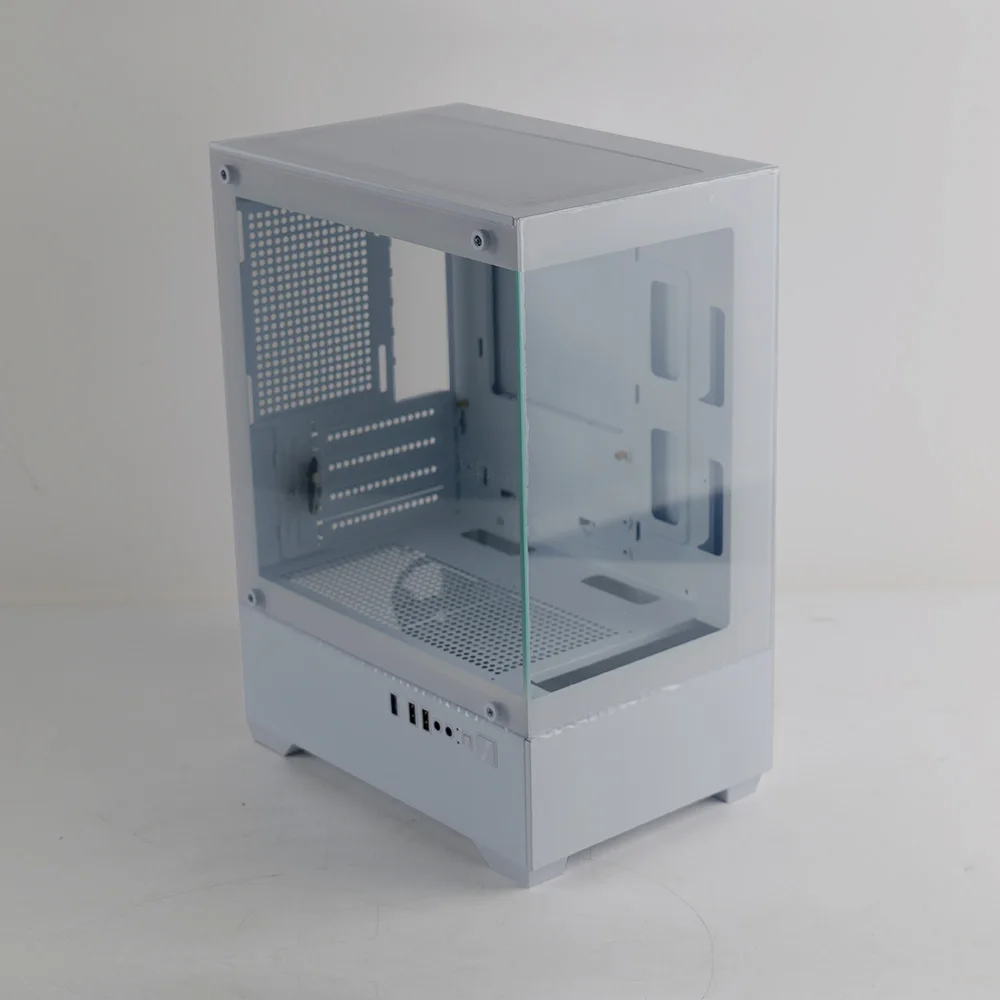
MANMU Gaming Computer Cases & Towers Gaming pc Case Micro Atx Itx Case pc Comput
Close — see differences
MANMU Gaming Computer Cases & Towers Gaming pc Case Micro Atx Itx Case pc Comput
Close — see differences
More alternatives
MANMU Gaming Computer Cases & Towers Gaming pc Case Micro Atx Itx Case pc Computer Cabinet
$61.92
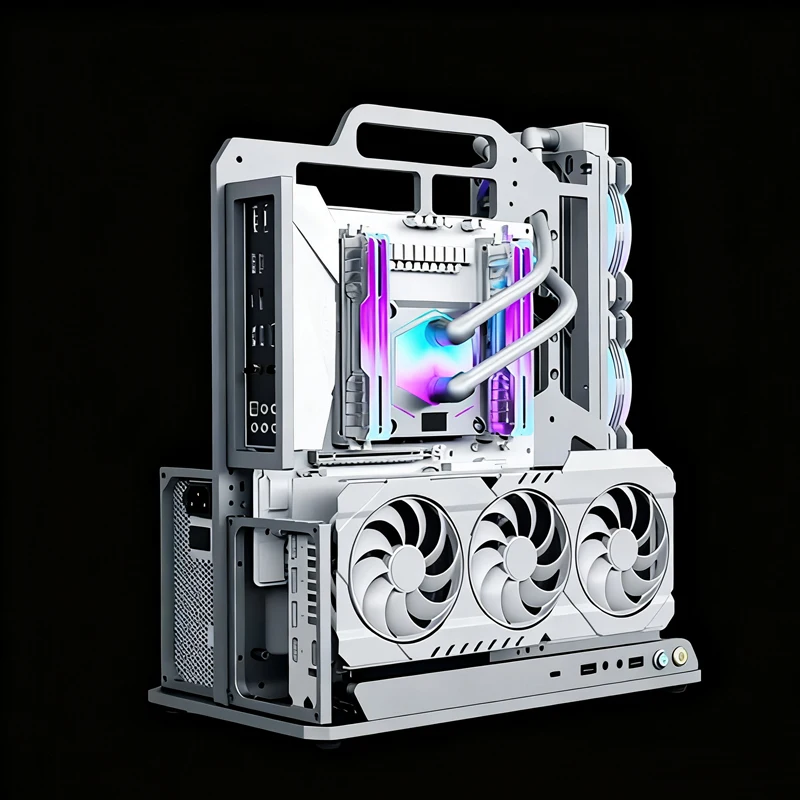
Open style PC case Diy Gaming pc Case for ATX M-ATX ITX water cooling computer case alumin
$374.64
MANMU Gaming Computer Cases & Towers Gaming pc Case Micro Atx Itx Case pc Computer Cabinet
Candidate is a MANMU-branded Micro-ATX/ITX case, not the Antec Frame 4000 (which is a mid-tower ATX case)
$61.92
Close — see differences
Buy on AliExpress — $61.92Open style PC case Diy Gaming pc Case for ATX M-ATX ITX water cooling computer case alumin
Candidate is an open-frame/skeleton aluminum case with exposed components and a carry handle; the Antec Frame 4000 is a traditional mid-tower with tempered glass panels
$374.64
Close — see differences
Buy on AliExpress — $374.64Is a cheap PC case worth it?
As a plain metal box for standard ATX or mATX parts, a cheap PC case is genuinely fine. Form factors are standardized, so a competent steel box is not hard to make, and reviewers regularly find budget cases that feel solid, install easily, and route cables cleanly. Good cooling comes from the airflow design, not the price, so a cheap case with a real mesh front and a couple of fans can match cases twice its price on temperatures. For a basic office or light gaming build, and especially a low-power CPU-only or integrated-graphics machine that draws only 100 to 200W, the case is one of the safest parts to economize on. The catch is almost never the box. It is what ships inside it.
If it arrives as a case-plus-PSU combo, do not power your build with the bundled unit. Use a supply that carries a real, verifiable 80 PLUS or UL rating, and never run a budget PSU near its printed wattage.
Where the cheap ones cut corners
The 'free' bundled power supply is the real hazard, not the box
Many cheap no-name cases ship with a generic 500W power supply that skips the protection circuitry a real unit has. Experienced builders treat these bundled PSUs as genuine fire hazards, and even a branded budget line has been documented arriving dead or literally exploding at roughly a 50% rate.
The '500W' rating is peak, not real output
The big wattage number is a peak figure, not what the unit can continuously deliver. What actually powers your CPU and GPU is the 12V rail, so a labeled 500W bin PSU often has far less usable power and can pop well below its rating, sometimes taking the rest of the PC with it.
Sources: darkflash.comhowtogeek.com
The safety marks are often missing or fake
US market power supplies must carry a UL shock-hazard label, and in 2026 the CPSC forced a recall of about 18,000 ATX units purely for lacking it. On a no-name unit the UL and 80 PLUS marks may simply be printed on, and the CE mark is frequently the lookalike 'China Export' version that requires no testing at all, so nobody has actually verified the unit for shock or fire safety.
A computer case really can catch fire
The case's own internal boards and wiring, such as riser cards and fan or RGB controllers, can short and overheat. NZXT had to recall about 32,000 H1 cases after the riser board overheated when a screw ate into a poorly plated PCB, and a no-name maker's internal boards get none of that engineering review or recall accountability.
Sources: recalls-rappels.canada.ca
Raw metal edges can actually cut you
Deburring and rolling the cut steel edges is a finishing step cheap cases skip to save money, so internal edges and drive-bay cutouts can slice skin during the build. Reviewers single out the budget cases that bother to avoid it, which tells you the rest do not.
Stock fans are the cheapest kind, often locked at full speed
The bundled fan is a plain sleeve-bearing spinner with low-grade blades, and usually there is only one. It is quiet when new, but the oil dries out so it grows louder as it ages and wears out faster than a ball or fluid bearing, and cheap cases often wire the fans to run flat out with no way to slow them down.
Sources: gamersnexus.netgamersnexus.netcoolerguys.comgamersnexus.net
A solid front panel chokes the cooling
The real trap is a closed-off front with a restrictive filter. The same fans that move plenty of air in the open cannot pull enough through a sealed front, so a hot GPU or CPU runs hotter than the parts need, and one bargain case tested this way was rated the worst for thermals the reviewers had ever measured.
Sources: gamersnexus.netgamersnexus.net
Fragile frame and single-use parts
The chassis is where budget cases cut cost. Panel tabs bend flat if you do not line them up perfectly, cases sometimes ship missing motherboard standoffs so the board flexes, and the PCIe slot covers can be stamped punch-outs you snap off with a screwdriver and cannot refit.
A stray standoff can short the board dead
No-name cases sometimes ship the brass standoffs pre-installed in the wrong spots or loose in the box. One sitting where your board has no screw hole presses on the back of the board and shorts it, and the machine simply will not boot.
Sources: tomshardware.com
The tempered glass panel can shatter
Glass side panels sit under permanent tension and are held by only a few corner screws. Over-tightening those screws, or resting the panel on a hard surface like tile or stone, can make it fracture and burst, and cheap cases often have nothing to catch the glass if it slips while you take the panel off.
Sources: corsair.comgamersnexus.net
'USB 3.0' front ports wired as USB 2.0
A front port physically labeled USB 3.0 or 3.1 can be miswired or built with poor cabling so it only ever runs at USB 2.0 speed. It looks fine for a mouse or keyboard, but file transfers crawl at roughly 20 to 30 MB/s instead of 400 or more.
Sources: xda-developers.com
The honest bottom line
For a low-power office box, an HTPC, or a build where every spare dollar is going into the graphics card, a cheap case is a smart place to save, as long as you buy the case on its own and pair it with a reputable power supply. Spend up if you are running a hot high-end GPU that needs real mesh airflow, if you would rather not babysit the build for sharp edges, missing standoffs, or a fragile glass panel, or if you are tempted by the bundled 'free' PSU. On this category, the money you save on the box should go straight into a proper power supply.
Built from government product-recall notices (Canada's recall database and the US CPSC), independent case and PSU reviewers (GamersNexus, XDA, KitGuru, Kotaku), builder repair forums (Tom's Hardware, AnandTech), and manufacturers' own support and buying guides (Corsair, darkFlash, Coolerguys). No claim here comes from a seller listing.
More sources: tomshardware.comxda-developers.comgamersnexus.netforums.anandtech.comgamersnexus.net
Where they actually differ
- Diff 1: Candidate is a MANMU-branded Micro-ATX/ITX case, not the Antec Frame 4000 (which is a mid-tower ATX case)
- Diff 2: Antec Frame 4000 is a larger mid-tower form factor; this candidate appears to be a compact Micro-ATX/ITX chassis — materially smaller footprint
- Diff 3: Different brand entirely (MANMU vs. Antec); no OEM equivalence evidence
- Diff 4: Antec Frame 4000 features a distinct open-frame mesh aesthetic; candidate shows a more conventional enclosed design with glass panels on front and side
- Diff 5: Form-factor incompatibility means full-size ATX motherboards and large GPU/cooler configurations supported by the Frame 4000 may not fit this case
Shipping times and Buyer Protection apply to every AliExpress order — see our Buying from AliExpress guide.