AliExpress alternative to the ESP32 Microcontroller
The closest AliExpress match to the ESP32 Microcontroller is listed at $6, about the same as the reviewer’s pick.
Where they differ: The AliExpress listing is a Raspberry Pi Pico (RP2040 dual-core ARM Cortex-M0+), not an ESP32… · +4 more
Affiliate disclosure: we may earn a commission when you buy through links on this page, at no extra cost to you.
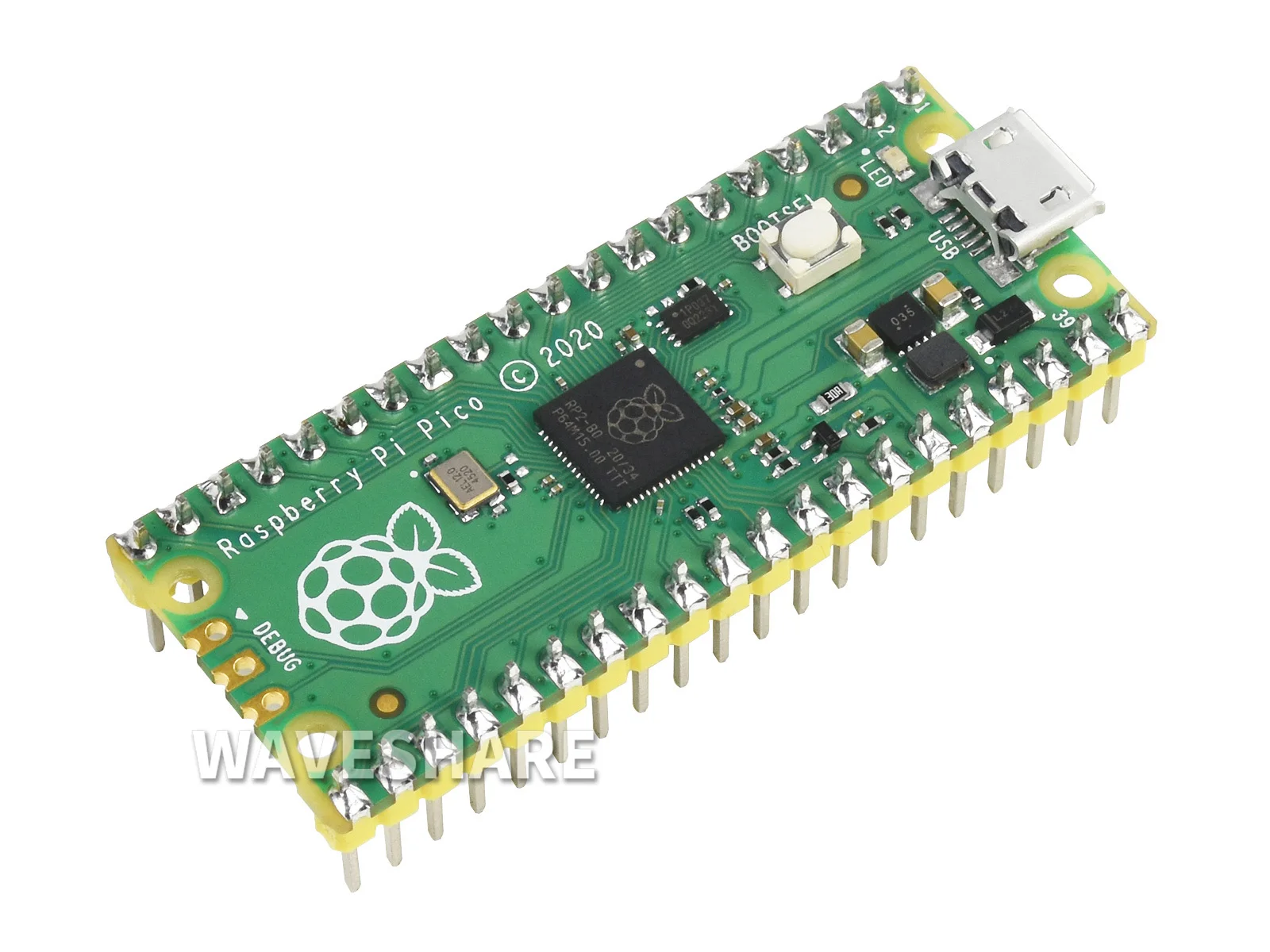
Raspberry Pi Pico with Pre-Soldered, High-Performance Microcontroller Board…
Close, see differences
Raspberry Pi Pico with Pre-Soldered, High-Performance Microcontroller Board…
Close, see differences
More alternatives
Raspberry Pi Pico with Pre-Soldered, High-Performance Microcontroller Board With…
$6.06
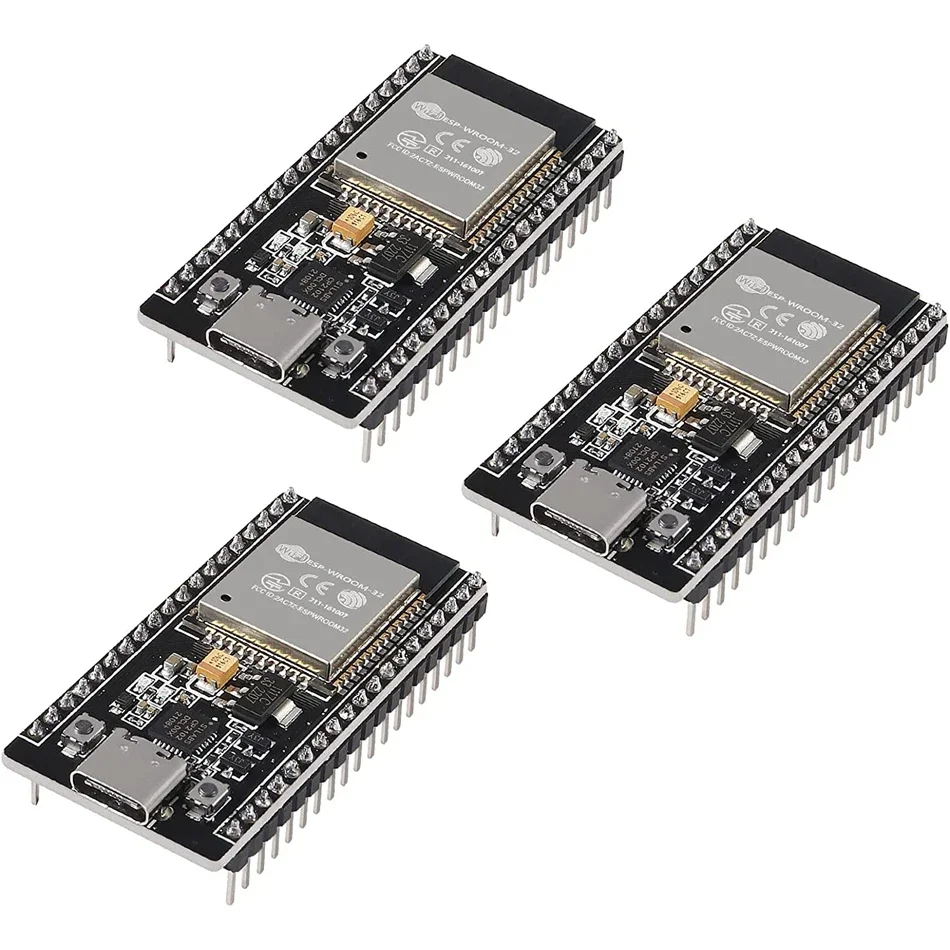
38Pins Type-C ESP32S ESP32 ESP-WROOM-32 CP2102 Development Board 2.4GHz Dual-Core WiFi…
$5.80
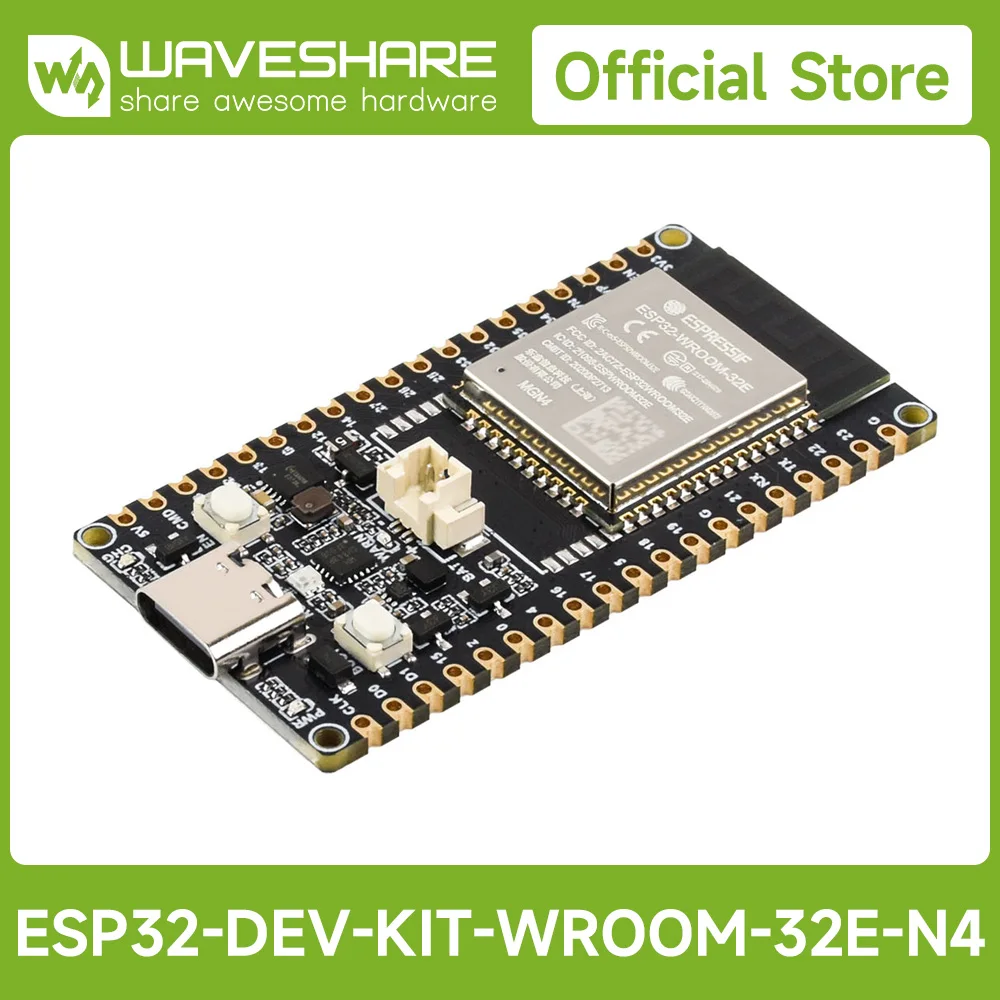
Waveshare ESP32 microcontroller Wi Fi development board 32-bit LX6 dual core processor…
$9.59
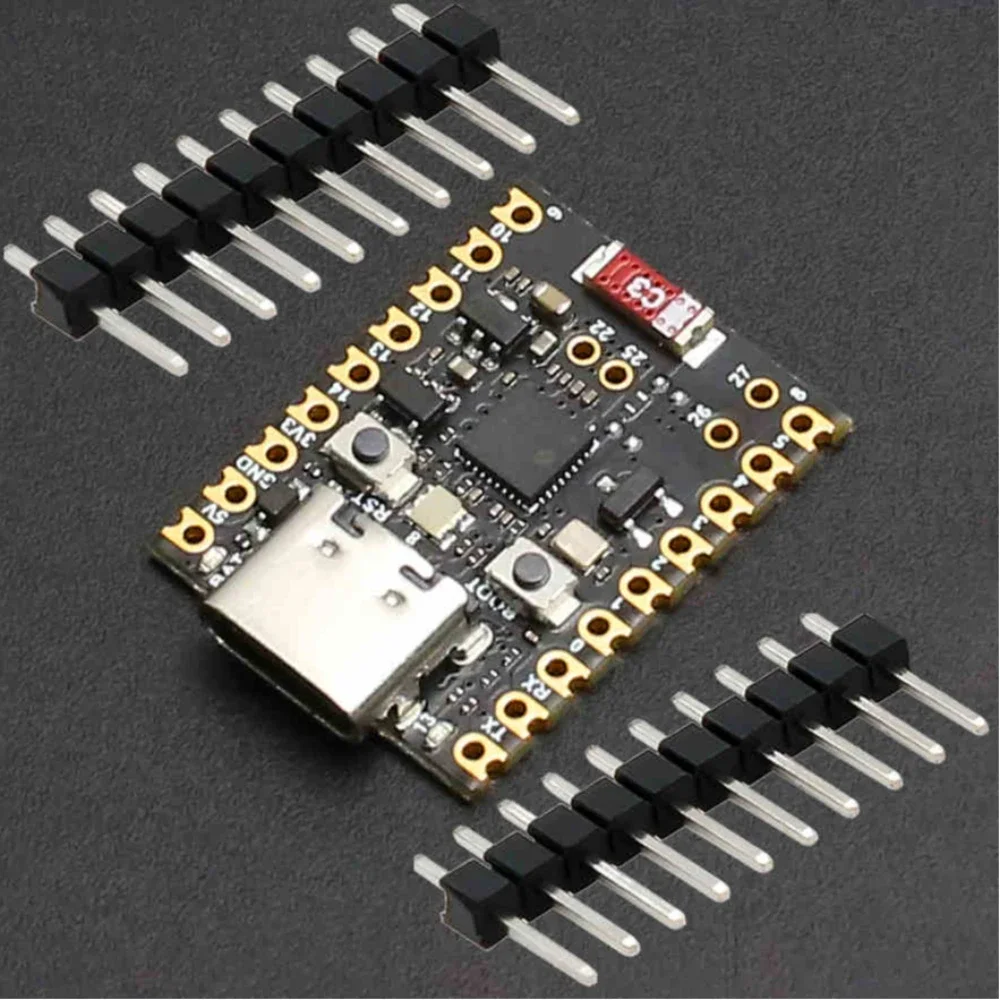
ESP32-H2 SuperMini Development Board Microcontroller Programming Learning Controller…
$5.09
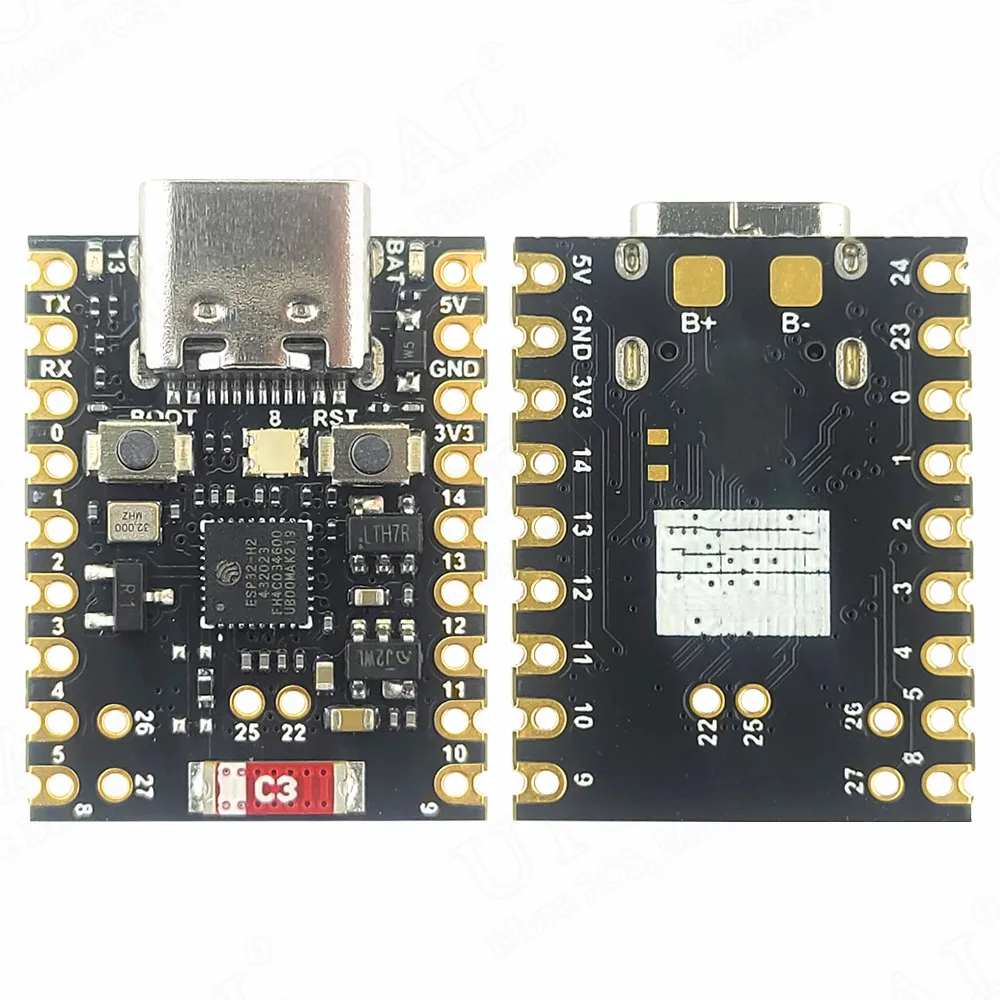
MINI ESP32-H2 Development Board Module for Microcontroller Programming Learning USB…
$5.82
Raspberry Pi Pico with Pre-Soldered, High-Performance Microcontroller Board With…
The AliExpress listing is a Raspberry Pi Pico (RP2040 dual-core ARM Cortex-M0+), not an ESP32 (Xtensa LX6/LX7 dual-core)
$6.06
Close, see differences
Buy on AliExpress $6.0638Pins Type-C ESP32S ESP32 ESP-WROOM-32 CP2102 Development Board 2.4GHz Dual-Core WiFi…
Uses CP2102 USB-to-serial chip and Type-C connector, specific board variant not specified in the original listing
$5.80
Close, see differences
Buy on AliExpress $5.80Waveshare ESP32 microcontroller Wi Fi development board 32-bit LX6 dual core processor…
Waveshare brand development board vs. bare Espressif ESP32 module/chip, this is a full dev kit with USB-C, battery connector, and breakout headers, not just the microcontroller
$9.59
Close, see differences
Buy on AliExpress $9.59ESP32-H2 SuperMini Development Board Microcontroller Programming Learning Controller…
ESP32-H2 chip vs. standard ESP32, H2 uses RISC-V core (not Xtensa dual-core), supports only Zigbee/Thread/BLE (no Wi-Fi 802.11 b/g/n), making it NOT a drop-in replacement
| device type | device | Microcontroller |
|---|---|---|
| product type | board | SuperMini Development Board |
$5.09
Close, see differences
Buy on AliExpress $5.09MINI ESP32-H2 Development Board Module for Microcontroller Programming Learning USB…
The AliExpress listing is ESP32-H2 variant (802.15.4/Zigbee/Thread, no Wi-Fi) while the original is described generically as 'ESP32' (typically ESP32 or ESP32-S/C series with Wi-Fi+BT)
$5.82
Close, see differences
Buy on AliExpress $5.82Is a cheap ESP32 dev board worth it?
The part that almost never gets faked is the ESP32 chip itself. On even a $3 no-name board the microcontroller is genuine Espressif silicon, with no known market in truly faked ESP32 chips, so it runs the exact same code as an official DevKit. For learning, sensors, home automation and hobby projects the cheap board is genuinely as capable as a branded one. The cheaper CH340 or CH9102 USB chip is a real, working part too, not a defect, and just needs a one-time driver install on Windows. And the scary 2025 'backdoor in a billion devices' headline is not a reason to pay more, because it hits genuine and clone ESP32s alike, needs local access, and was quickly downgraded from a backdoor to internal debug commands.
On arrival, before you build anything, run Espressif's free 'esptool flash_id' and 'esptool read_mac': flash_id prints the real detected flash size, so a board sold as 4MB or 8MB that reports less is caught immediately, and read_mac on a genuine chip starts with Espressif's 24:0A:C4 prefix.
Where the cheap ones cut corners
The USB chip is the weak link, not the ESP32
Cheap boards swap Silicon Labs' CP2102 for a WCH CH340 or CH9102, so Windows often needs a manual driver install before the board even shows up as a serial port, and the chip you receive is sometimes not the one in the listing photos. Counterfeit CH340 chips have been documented to stop connecting after a driver update Microsoft pushed through Windows Update, so a board that flashed fine last month can suddenly refuse to talk to your PC.
The cheapest clones drop the auto-flash circuit
The very cheapest clones leave off the auto-reset circuit that puts the chip into flashing mode for you. When that happens you have to physically hold the BOOT button every time you upload code.
Sources: xda-developers.com
It can brown out and reset when WiFi turns on
The ESP32 pulls a burst of roughly 300 to 500mA the moment the radio fires up, and a weak regulator or a thin, current-limited USB cable cannot hold 3.3V through that spike. On cheap boards this shows up as a brownout reset, meaning random reboots right when WiFi connects, and it is usually fixable with a good data cable and a 1A or better supply.
Sources: xda-developers.comespboards.dev
Corners get cut on power and protection parts
The AMS1117 3.3V regulator these boards rely on is often an off-spec part with no working over-temperature shutdown, and when one cooks itself it can dump the full input voltage onto the 3.3V rail and take the ESP32 with it. Counterfeit USB-serial chips have also shipped with the USB-line protection diode simply left off, the kind of silent hardware omission you never see in the listing.
Sources: goughlui.comepanorama.net
The WiFi antenna is often untuned, so range suffers
Official modules go through RF certification that tunes the antenna, while no-name clones copy the layout with cheaper RF parts and skip the retuning. The chip is the same, but real-world range and signal strength can be noticeably worse.
Sources: xda-developers.comxda-developers.com
The FCC ID is often fake, so you cannot legally sell it
Many no-name boards carry an FCC ID that traces back to a non-existent or unrelated device, so the radio approval printed on it is bogus. It works fine on your bench, but you cannot legally build it into a wireless product you sell in the US.
Sources: xda-developers.comblog.promise.legal
The flash chip can be smaller than the listing claims
Some low-cost boards ship a 1MB or 2MB flash chip while the listing advertises 4MB or 8MB. You usually only find out later, as a flash-size-mismatch error or an upload that runs out of room.
Sources: espboards.dev
The DevKit board is too wide for a standard breadboard
The common 30- and 38-pin ESP32 dev boards straddle the center gap of a solderless breadboard and cover the holes on one or both sides, so you cannot plug jumper wires into the pins. This is a design trait of the cheap board shape, not a defect, and makers get around it by bridging two breadboards or using female jumper leads.
Sources: forum.dronebotworkshop.com
The honest bottom line
For learning, prototyping, home automation and anything that lives on your own bench, the cheap board is the right call. The ESP32 itself is genuine, and the annoyances (a driver install, the odd brownout, a board too wide for a breadboard) are all workable once you know them. Spend up on a genuine Espressif DevKit or a reputable brand if you plan to sell a wireless product and need real FCC certification, if you depend on solid WiFi range, or if you simply want to skip the driver and power gotchas on a board you will rely on for years.
Built from independent tech journalism (XDA Developers), electronics engineers' bench tests and repair write-ups (Gough's Tech Zone, ePanorama, ESPBoards), maker forums and hobbyist troubleshooting pages (DroneBot Workshop, RNT Lab, the SimHub project wiki), a legal explainer on FCC equipment authorization, security researchers who debunked the 2025 'backdoor' headline (BleepingComputer, Dark Mentor), and the chip maker's own tooling docs (Espressif esptool). No seller or marketplace listing was used as a source.
More sources: xda-developers.comxda-developers.comxda-developers.combleepingcomputer.comdarkmentor.comdocs.espressif.commaclookup.app
Where they actually differ
- The AliExpress listing is a Raspberry Pi Pico (RP2040 dual-core ARM Cortex-M0+), not an ESP32 (Xtensa LX6/LX7 dual-core)
- ESP32 has integrated Wi-Fi and Bluetooth; Raspberry Pi Pico (standard) has neither
- Different vendor ecosystem: Espressif (ESP32) vs. Raspberry Pi Foundation (Pico)
- Different programming toolchains and SDK environments
- Different form factor and pinout, not pin-compatible
FAQ
Is the AliExpress ESP32-H2 SuperMini really the same product as the standard ESP32?
No, it is a different silicon variant. The H2 uses a RISC-V core and carries no Wi-Fi radio, while the standard ESP32 uses an Xtensa dual-core and includes 802.11 b/g/n. Both run ESP-IDF and Arduino, so the toolchain is shared, but they are not electrically or architecturally interchangeable. Think of the H2 as a specialized Zigbee/Thread/BLE chip that belongs to the broader ESP32 family.
Will the ESP32-H2 work with macOS, Windows, and Linux development environments?
Yes. Espressif's ESP-IDF toolchain and the Arduino ESP32 board package both support macOS, Windows, and Linux for the H2. You will need to install the RISC-V GCC toolchain rather than the Xtensa toolchain, which ESP-IDF handles automatically when you select the H2 target. The USB-to-serial driver requirement is the same as other ESP32 boards: CP210x or CH340, depending on the SuperMini's USB chip.
Does the ESP32-H2 support Zigbee and Matter, and will it work with Alexa or Google Home?
The H2 natively supports Zigbee 3.0 and Thread, which is the transport layer for Matter over Thread. Whether it works with Alexa or Google Home depends on your hub: you need a Matter-compatible or Zigbee-compatible hub (such as an Amazon Echo 4th-gen, Google Nest Hub 2nd-gen, or a dedicated Zigbee2MQTT gateway). The H2 itself does not connect directly to those platforms over Wi-Fi since it has no Wi-Fi radio.
Can the ESP32-H2 SuperMini run the AI-generated code from the Andreas Spiess workflow video?
Only partially. The video demonstrates an AI-assisted workflow where Claude Code generates ESP32 firmware, but the example projects assume Wi-Fi and Xtensa architecture. Code targeting Wi-Fi libraries (esp_wifi.h, WiFi.h) will not compile for the H2. Zigbee or BLE-only sketches generated for the ESP32-H2 target will work, but you must explicitly tell the AI model to target the H2 with no Wi-Fi.
What is the GPIO and voltage spec of the SuperMini, and is it breadboard-friendly?
The ESP32-H2 SuperMini operates at 3.3V logic on all GPIOs; applying 5V directly to a GPIO pin will damage it. The board is USB-C powered and typically exposes around 19 usable GPIO pins on its castellated/through-hole pads. The SuperMini footprint is narrower than a standard DevKitC, so it fits on a 400-point breadboard with one column free on each side, unlike the wider DevKitC which spans the full breadboard.
Is the $4.92 price a real saving over a standard ESP32, or is it lower because it is a lesser variant?
Both. The H2 is genuinely cheaper to manufacture because it omits the Wi-Fi radio and uses a simpler RISC-V core, so the lower price reflects real hardware differences rather than a counterfeit discount. A standard ESP32-WROOM DevKitC costs roughly $8 to $10 on AliExpress; the H2 SuperMini at $4.92 is about $3 to $5 less. That saving only makes sense if you actually need Zigbee or Thread; otherwise you are paying less for a chip that cannot do the job.
Shipping times and Buyer Protection apply to every AliExpress order. See our Buying from AliExpress guide.
Prefer Telegram? Get this deal delivered in our bot.
Get this deal in Telegram →