Cheaper AliExpress alternatives to the Turbonator Air Intake Turbine
The Turbonator Air Intake Turbine on AliExpress is listed at $11, about the same as the reviewer’s pick.
Where they differ: The AliExpress listing is a dual-fan design; original Turbonator is typically a single… · +2 more
Affiliate disclosure: we may earn a commission when you buy through links on this page, at no extra cost to you.
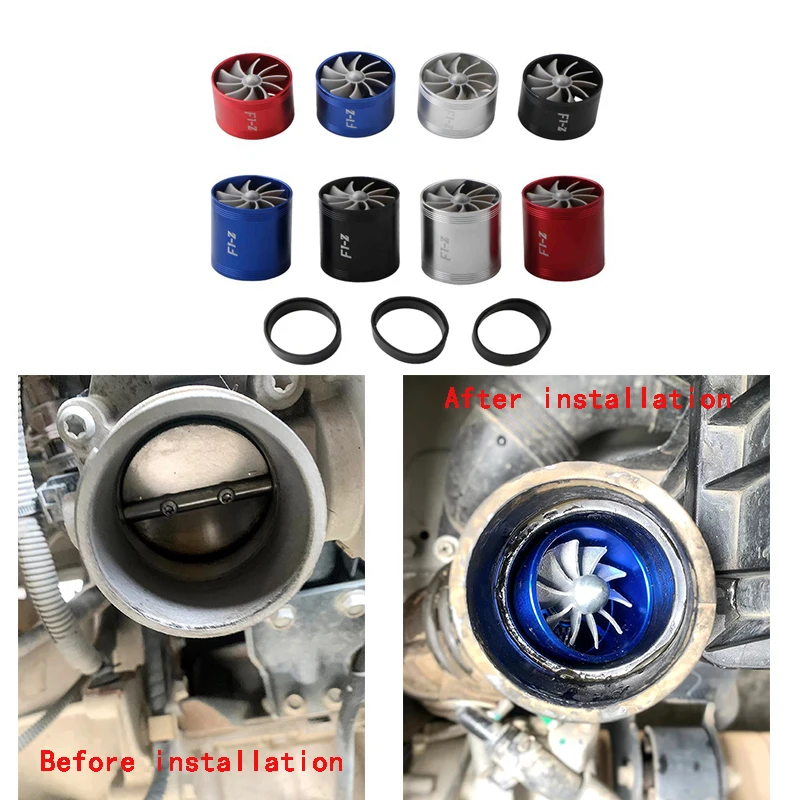
Air Intake Fuel Saver Dual Fan Supercharger Power Air Intake Turbonator with 3…
Same product, save 30%
Air Intake Fuel Saver Dual Fan Supercharger Power Air Intake Turbonator with 3…
Same product, save 30%
More alternatives
Air Intake Fuel Saver Dual Fan Supercharger Power Air Intake Turbonator with 3 Non-Slip…
$11.24

Car Air Intake Turbonator Single Fan Turbine Automobile Intake Turbo Vehicle Engine…
$10.68
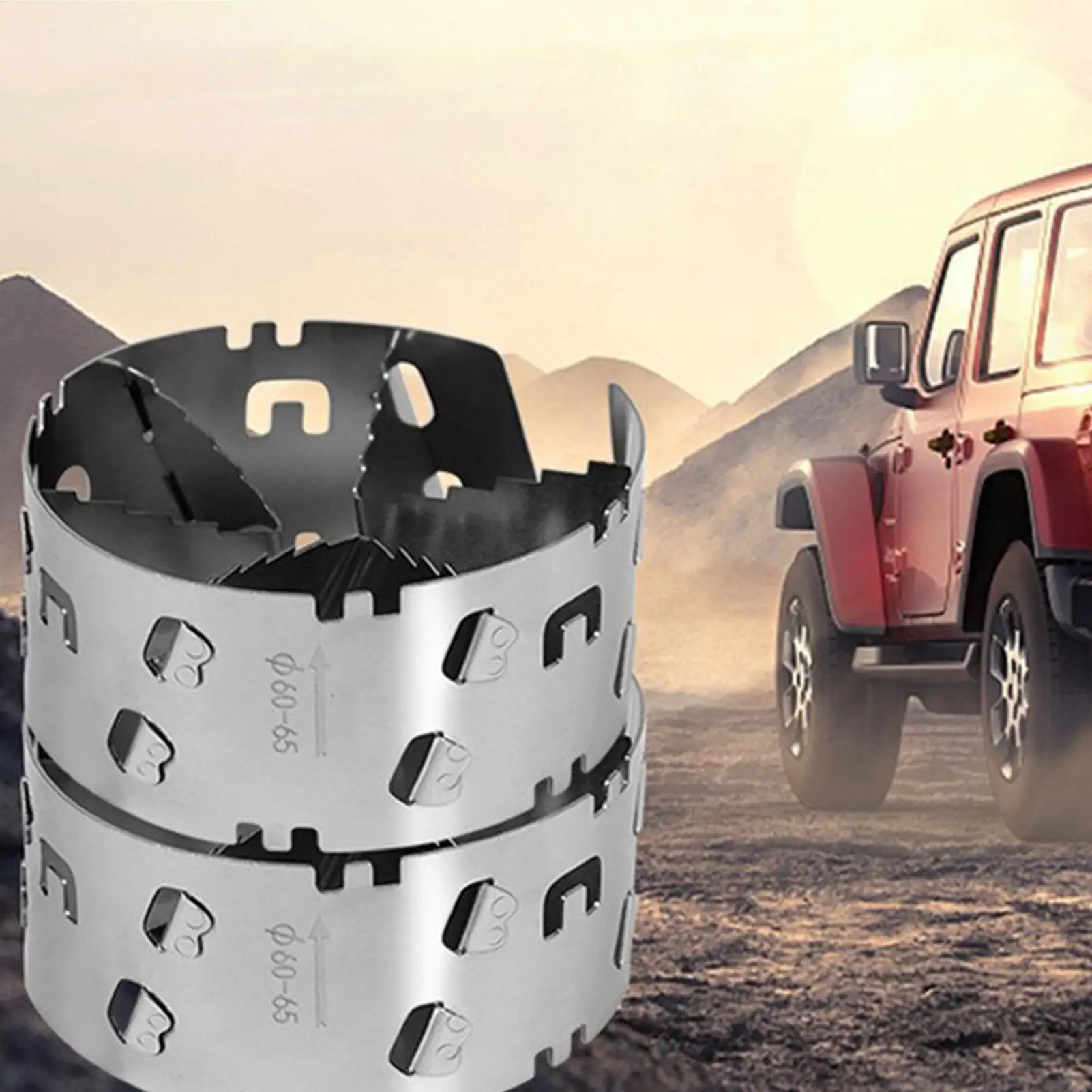
Turbonator Air Intake Oil Saver Stainless Steel Air Intake Turbonator Oil Accelerator…
$10.77
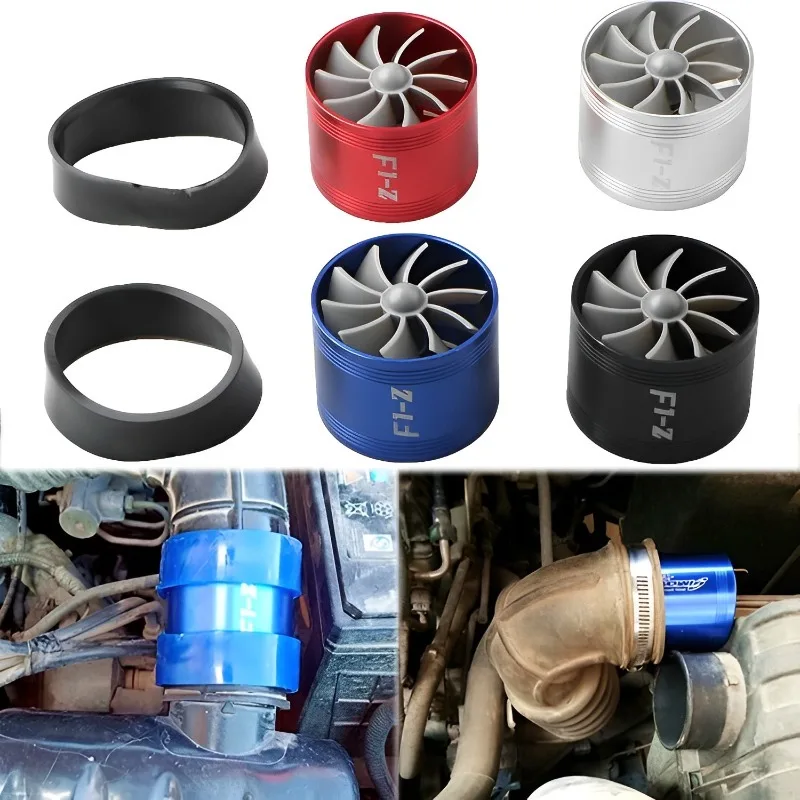
Car Air Intake Turbine Fan
$11.10
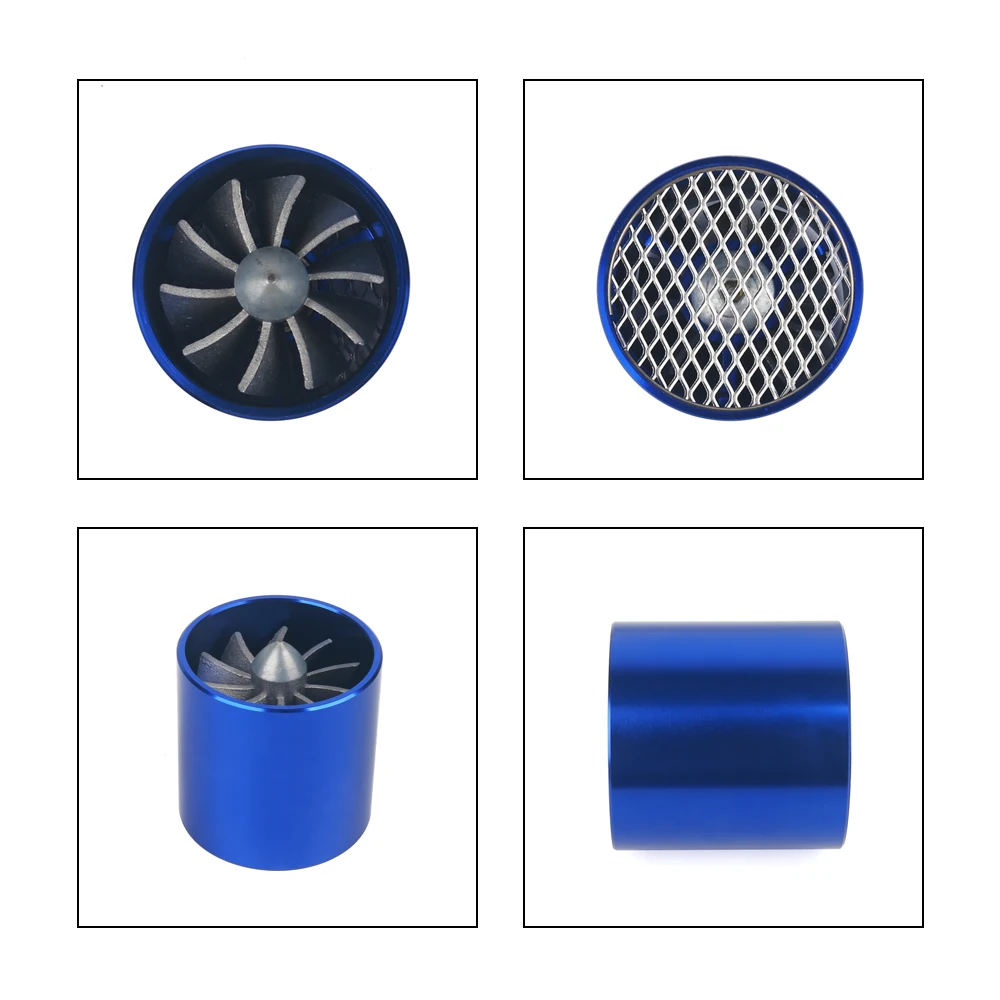
Universal 55mm Car Air Intake Turbonator Single Fan Turbine Super Charger Gas Fuel Saver…
$4.26
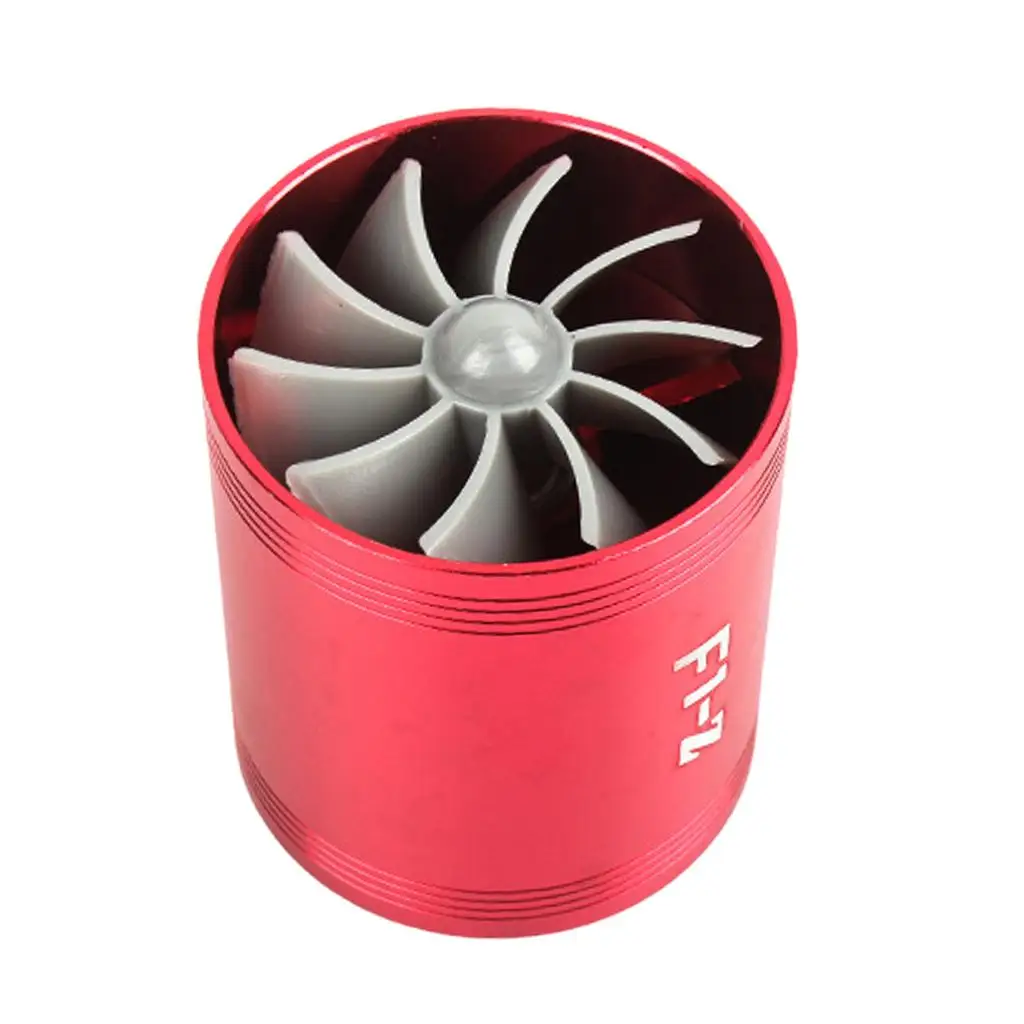
Auto Turbocharger Air Intake Turbonator Twin Fan .5-2.9inch
$18.00
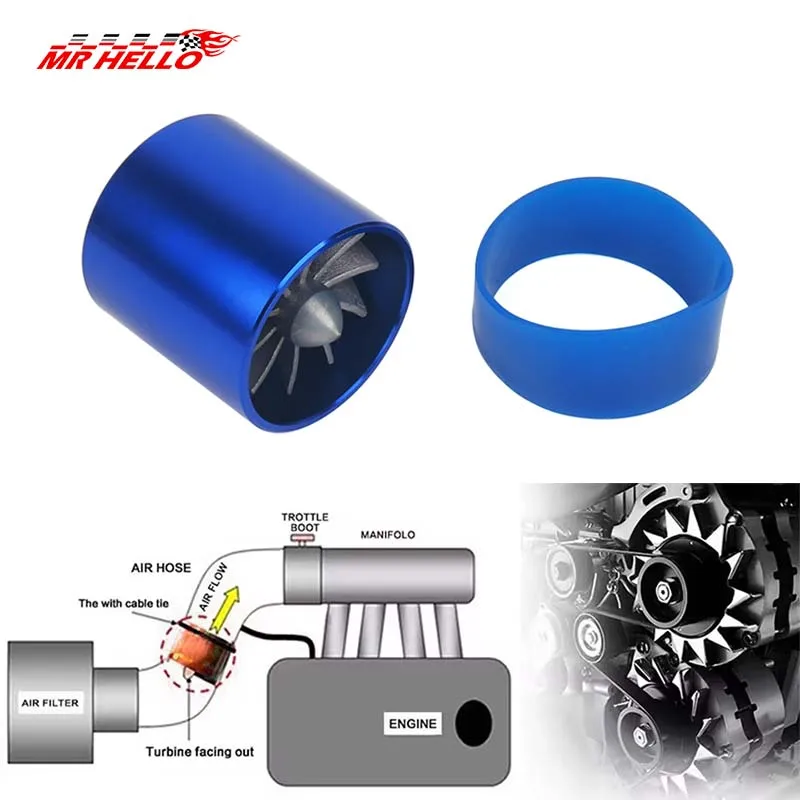
Car Air Intake Turbonator, 55mm Single Fan Turbo Engine, Turbine Super Charger Gas Fuel…
$19.14
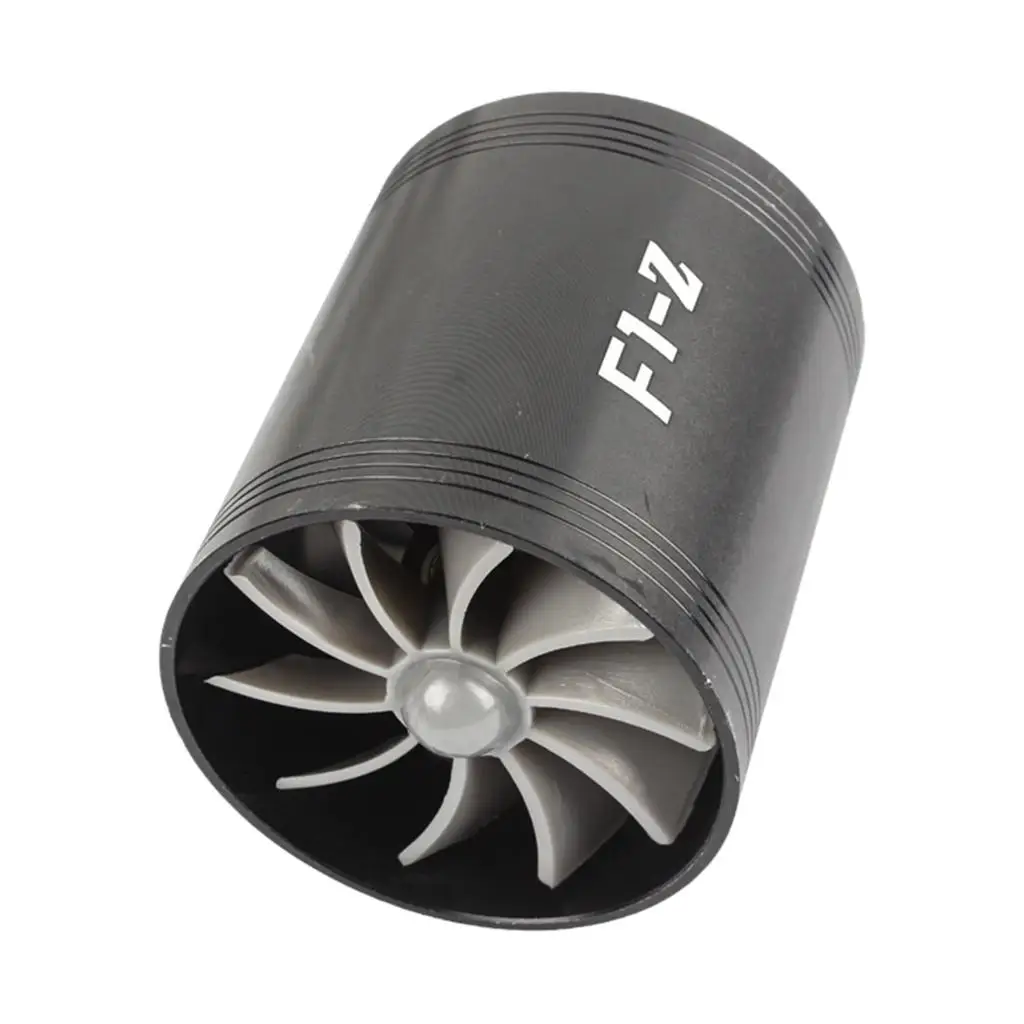
Double Turbonator Acceleration System Turbo High Power Aluminum Alloy Air Intake Gas…
$15.87
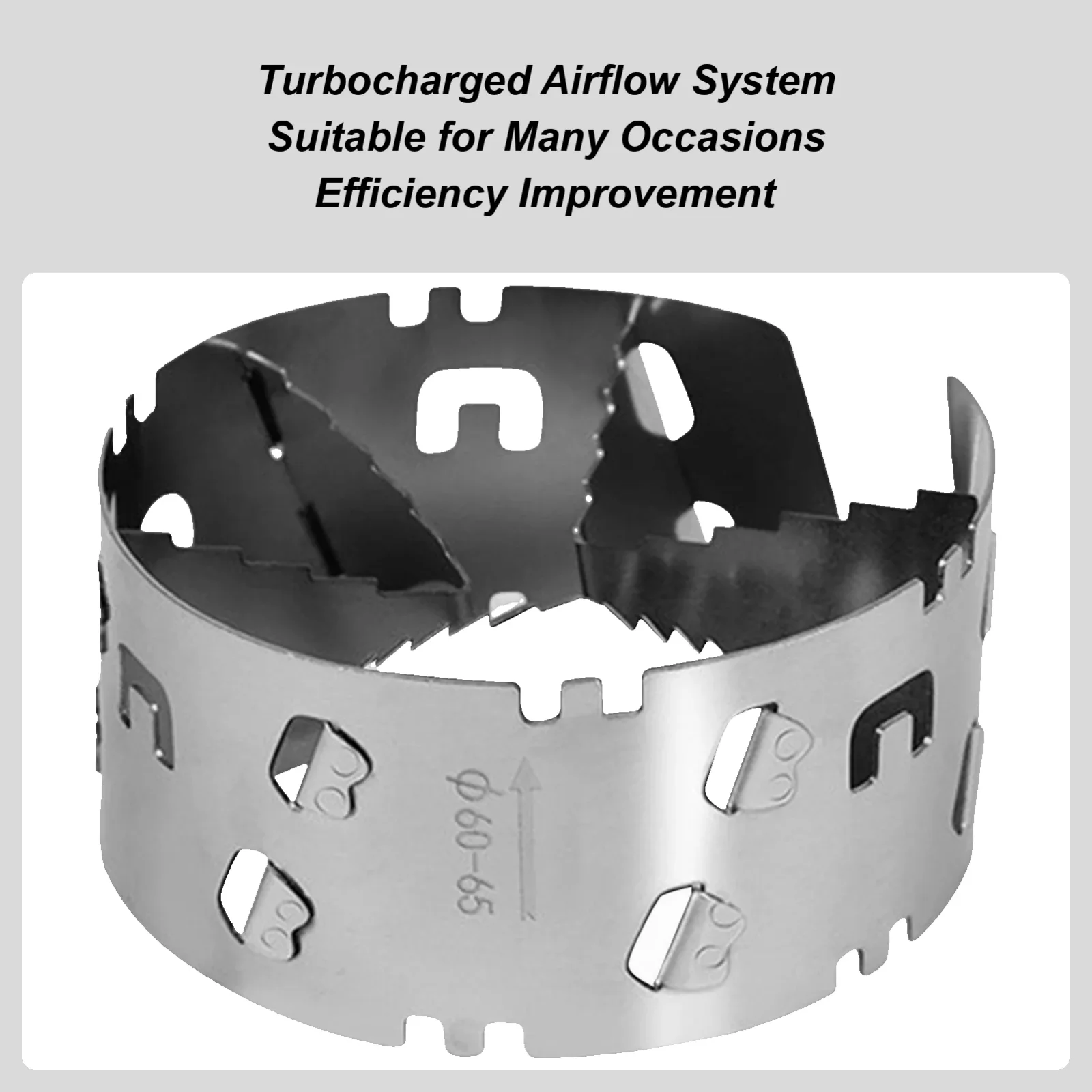
Car Turbocharger Adapter auto Air Intake Turbonator Safety buckle Superchargers Speed…
$9.86
Air Intake Fuel Saver Dual Fan Supercharger Power Air Intake Turbonator with 3 Non-Slip…
The AliExpress listing is a dual-fan design; original Turbonator is typically a single helical-vane turbine
$11.24
Same product, save 30%
Buy on AliExpress $11.24Similar options
Car Air Intake Turbonator Single Fan Turbine Automobile Intake Turbo Vehicle Engine…
Price is lower ($9.21 vs ~$16), suggesting a generic/unbranded variant rather than the named Turbonator brand
$10.68
Close, see differences
Buy on AliExpress $10.68Turbonator Air Intake Oil Saver Stainless Steel Air Intake Turbonator Oil Accelerator…
Price is lower ($10.29 vs. ~$16), suggesting a possible generic/OEM variant rather than branded Turbonator
$10.77
Close, see differences
Buy on AliExpress $10.77Car Air Intake Turbine Fan
Branded 'F1-Z' rather than 'Turbonator' branding
$11.10
Close, see differences
Buy on AliExpress $11.10Universal 55mm Car Air Intake Turbonator Single Fan Turbine Super Charger Gas Fuel Saver…
Price is significantly lower ($4.26 vs. ~$16), suggesting lower-tier generic vs. branded Turbonator
$4.26
Close, see differences
Buy on AliExpress $4.26Auto Turbocharger Air Intake Turbonator Twin Fan .5-2.9inch
The AliExpress listing title specifies 'Twin Fan' but image shows only a single fan/impeller visible from this angle, may be a dual-stage unit internally
$18.00
Close, see differences
Buy on AliExpress $18.00Car Air Intake Turbonator, 55mm Single Fan Turbo Engine, Turbine Super Charger Gas Fuel…
Single fan design (55mm) vs. the Turbonator's dual-fan configuration typically associated with the brand
$19.14
Close, see differences
Buy on AliExpress $19.14Double Turbonator Acceleration System Turbo High Power Aluminum Alloy Air Intake Gas…
The AliExpress listing is labeled 'Double Turbonator' but image shows a single turbine unit (F1-Z branded), not a dual/double configuration
$15.87
Close, see differences
Buy on AliExpress $15.87Car Turbocharger Adapter auto Air Intake Turbonator Safety buckle Superchargers Speed…
The AliExpress listing appears to be a flat sheet-metal ring/collar adapter (Φ60-65mm) rather than a vaned turbine spinner device typical of Turbonator products
$9.86
Close, see differences
Buy on AliExpress $9.86Is a cheap air-intake turbulator worth it?
As hardware it is low-stakes. It is a passive insert with no battery, wiring or software, so it carries none of the fire, shock or firmware risks of plug-in fuel-saver gadgets, and testers who fitted one to real cars measured no meaningful change either way. So as a cheap, fully reversible engine-bay curiosity it is mostly harmless, and going cheap costs you nothing extra because the pricey brand-name Tornado was bench-tested and does the same nothing.
Do not trust the seat-of-the-pants feel or a single good tank. Run the same route several full tanks with the device out and several with it in, expect no real difference, and if you fit it anyway make sure it physically cannot rotate or shed a piece into the engine.
Where the cheap ones cut corners
A cheap one can get eaten by the engine
The vane or fan clamps into the intake tube just ahead of the throttle body, the airflow sensor and, on turbo cars, the turbo, and the budget ones use the flimsiest plastic or bent metal. When a blade cracks or a rivet works loose from vibration the pieces get pulled downstream into the combustion chamber, and one documented failure jammed the throttle body and left a low-mileage car needing a new engine.
Sources: tiremeetsroad.comtiremeetsroad.comweb.archive.orggovinfo.govmelett.com
It is an obstruction, not a supercharger
Despite names like turbonator or turbine there is no motor, just a vane sitting in the airstream the engine has to pull through. Modern engines already build swirl into the intake port by design, so a vane clamped far upstream adds nothing while it does add a restriction, and turbulence plus that restriction can only cut the air reaching the cylinders.
On a dyno it takes power away
This is the best-documented fact about the category. When an independent lab ran vortex and tornado inserts on a dynamometer they lost more than 10 percent of peak horsepower and one raised fuel use by about 20 percent, and in Consumer Reports' own test the branded unit gave no gain on one car and slightly worse performance on another.
Sources: xtremefueltreatmentreview.comweb.archive.orgconsumerreports.org
Regulators tested the whole class and found nothing
This is not the clone being worse than the real thing, the whole concept has been investigated for decades. The FTC's bulletin says the EPA evaluated more than 100 alleged gas-saving devices and found none that significantly improves mileage, and the EPA's own bench test of an intake swirl device concluded it probably would not change fuel economy at all.
The glowing reviews are usually a confound
Positive listings and forum posts are not evidence the part did anything, because fuel economy swings with weather, route, traffic and driving style. The classic trap is crediting the gadget for savings that actually came from a tune-up done the same week, and almost no buyer can measure a real one to two percent change well enough to tell signal from noise.
Sources: govinfo.govgovinfo.gov
The honest bottom line
Buy one only if you want a cheap, reversible under-hood novelty and you go in knowing it will not add power or save fuel. Fit it on a naturally aspirated engine, seat it so it cannot move, and treat any felt gain as your own lighter right foot. Anyone chasing real horsepower or mileage should skip the whole category, cheap clone and branded original alike, and put the money into a proper service, correct tire pressure and steadier driving, the only levers that actually move the numbers. Never fit one upstream of a turbo or a direct-injection engine.
Drawn from US regulators and their test programs (the FTC consumer bulletin and EPA device evaluations, including the EPA's own intake-device bench test), independent lab and magazine testing (Consumer Reports and Popular Mechanics), a turbocharger maker's technical guide on foreign-object damage, and hands-on mechanic and reviewer reports. No seller or product listing was used as a source.
More sources: consumerreports.orgtiremeetsroad.comepa.govconsumerreports.orggovinfo.gov
Where they actually differ
- The AliExpress listing is a dual-fan design; original Turbonator is typically a single helical-vane turbine
- The AliExpress listing includes 3 rubber holder rings for fitment; original may use different retention method
- Brand marking on the AliExpress listing reads 'F1-Z' rather than 'Turbonator'
FAQ
Is the AliExpress F1-Z really the same product as the Turbonator?
They are functional equivalents in the same category: both are single-fan air-intake vane turbines that fit between the air filter and throttle body. The AliExpress unit is branded F1-Z and is an unbranded generic, not the named Turbonator product. The single-fan configuration was confirmed in the listing title and image, but no side-by-side dimensional comparison was possible, so minor fitment differences cannot be ruled out.
Does this type of air-intake turbine actually improve fuel economy?
Project Farm's May 2026 controlled test found no credible MPG improvement from air-intake vane turbines, including devices of the Turbonator type. The 22.4% MPG improvement referenced in the video title came from a different modification tested in the same session, not from the turbonator device itself. Buyers should not purchase either product expecting a measurable fuel-economy gain.
Will this fit my vehicle's intake diameter?
Air-intake vane turbines of this type are sold as universal fit and are designed to clamp between the air filter housing and the intake pipe. The listing does not specify an exact inner diameter range, so measure your intake pipe opening before ordering. A typical passenger car intake runs 60 to 90mm; confirm the seller's stated size against your vehicle before purchase.
Is the unit 12V powered, or is it purely passive?
This answer covers the Turbonator Air Intake Oil Saver Stainless Steel… option on this page. The Turbonator-style single-fan device is a passive vane turbine: it has no electrical connection and requires no 12V supply. Airflow from the engine's intake stroke spins the vanes. There are no wiring, fuses, or relay concerns, making installation straightforward for any vehicle with a compatible intake path.
Does it fit the OBD-II port or require any ECU calibration?
This answer covers the Turbonator Air Intake Oil Saver Stainless Steel… option on this page. No. This product installs in the air intake path only and has no connection to the OBD-II port, ECU, or any electronic system. No tuning, recalibration, or software change is needed. It is a purely mechanical add-on with no interaction with the vehicle's engine management system.
What is the operating temperature range, and will it survive under-hood heat?
This answer covers the Turbonator Air Intake Oil Saver Stainless Steel… option on this page. The listing does not specify a rated operating temperature. Devices of this type are typically made from ABS plastic or nylon composites, which can soften if placed too close to direct heat sources. Position it on the cold side of the intake, between the air filter and the throttle body, away from exhaust headers, to minimize heat exposure.
Shipping times and Buyer Protection apply to every AliExpress order. See our Buying from AliExpress guide.
Prefer Telegram? Get this deal delivered in our bot.
Get this deal in Telegram →More engine & tuning to buy
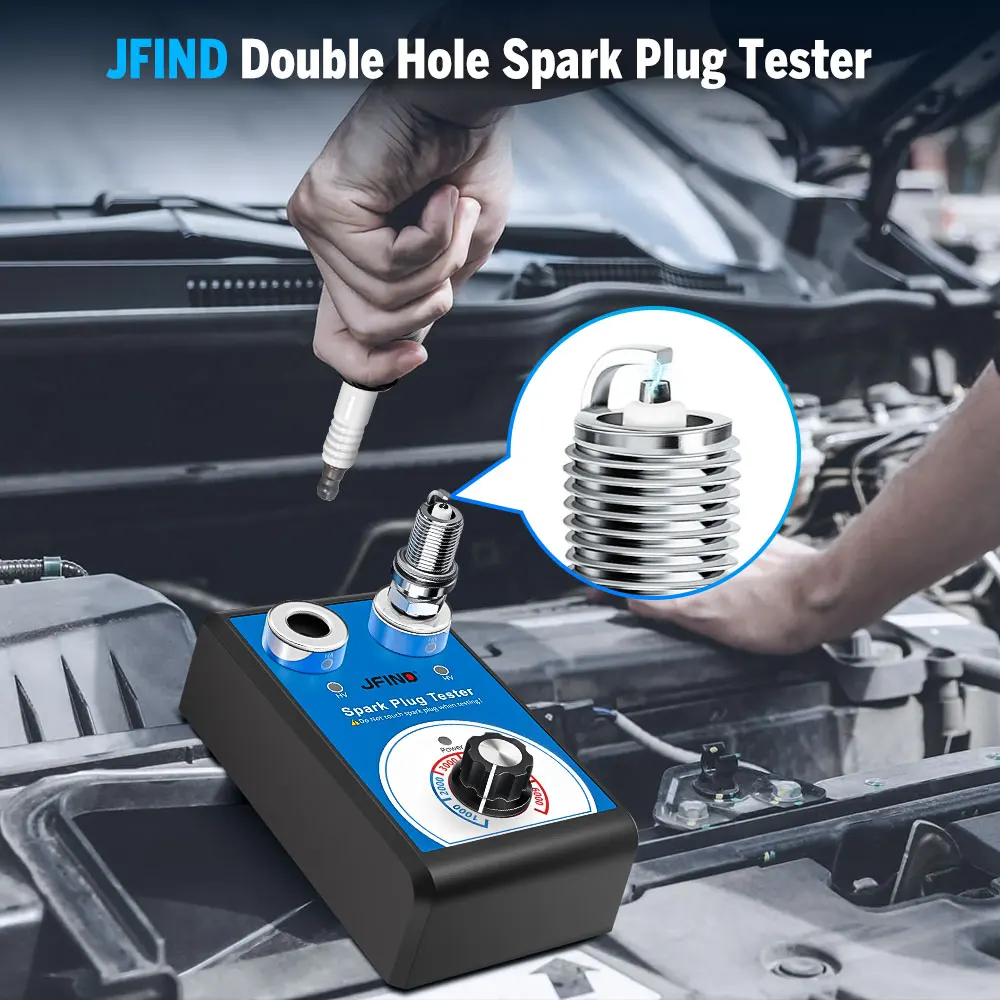
Jfind JF109 13mm Double hole Spark Plug Tester 110V 220V to 12V Car Motorcycle For KTM Detector Ignition Plug Analyzer
$20.56
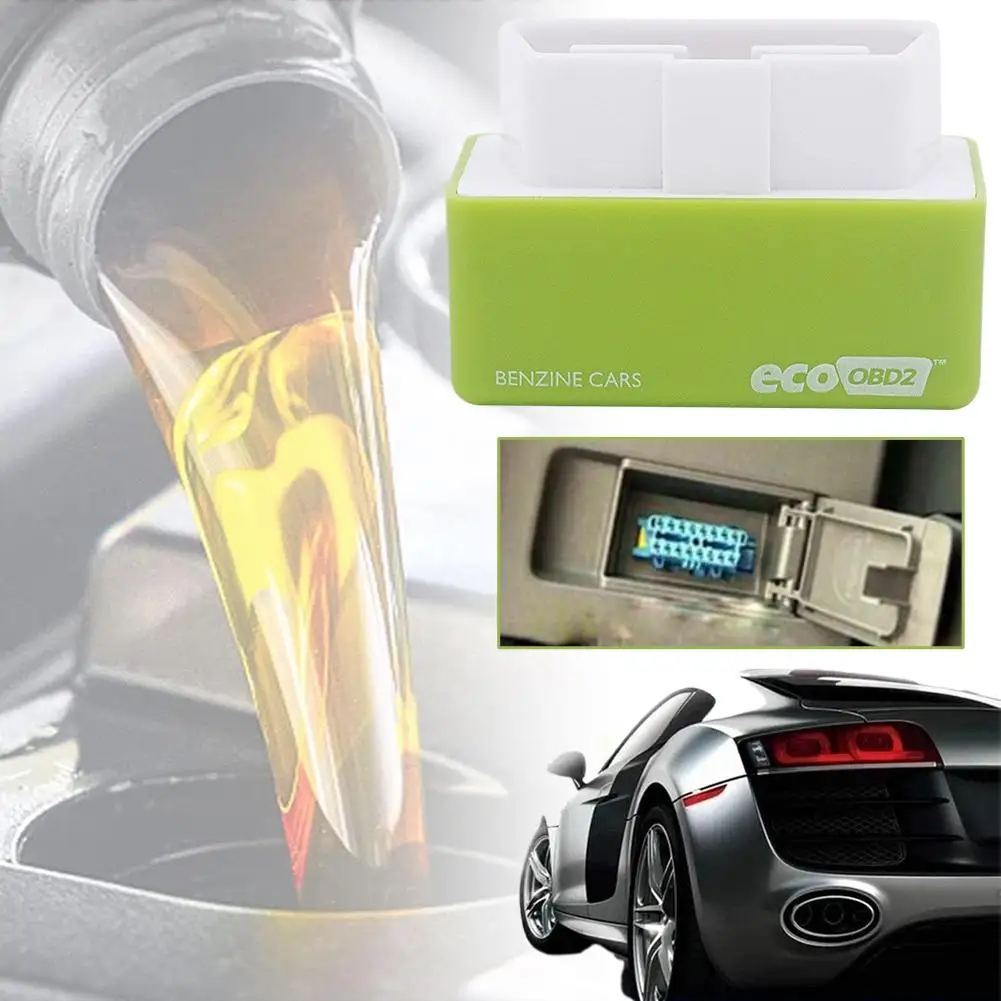
Upgrade Fuel Saver Nitro ECO OBD2 Performance Chip Tuning Box More Power Torque Nitro OBD 2 ECOOBD2 For Gasoline&Diesel Vehicles
$5.49
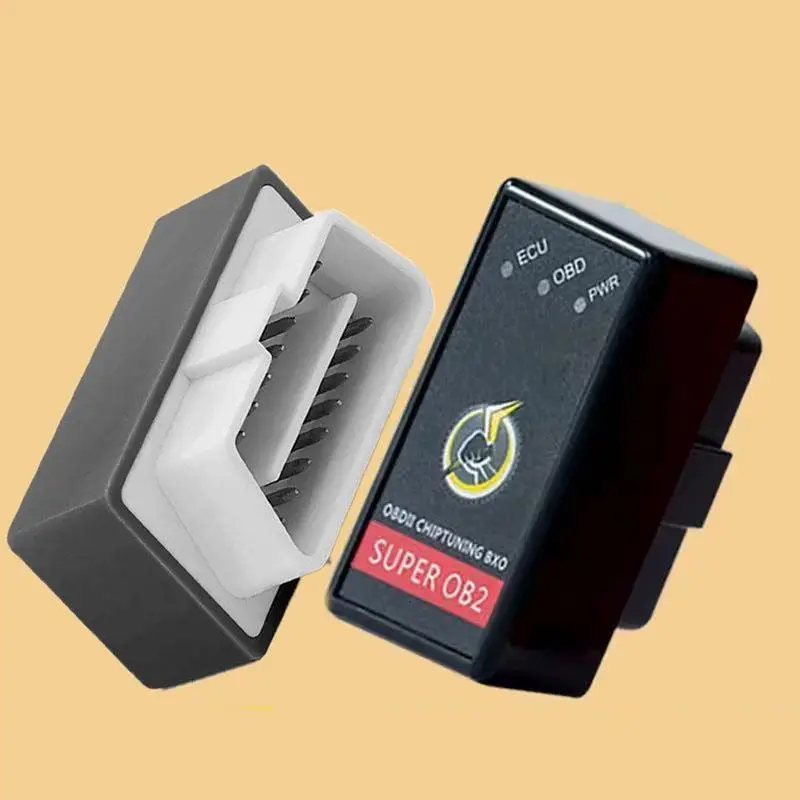
For Diesel Performance Chip Tuning Automotive Fuels Protector Auto Fuels Saver Nitro OBD2 Economy Fuels Saver Tuning Box Chip
$5.16

JFIND JF109 Dual Hole Spark Plug Tester 110V 220V to 12V Automotive Ignition Analyzer Diagnostic Tool for Car Motorcycle
$21.92
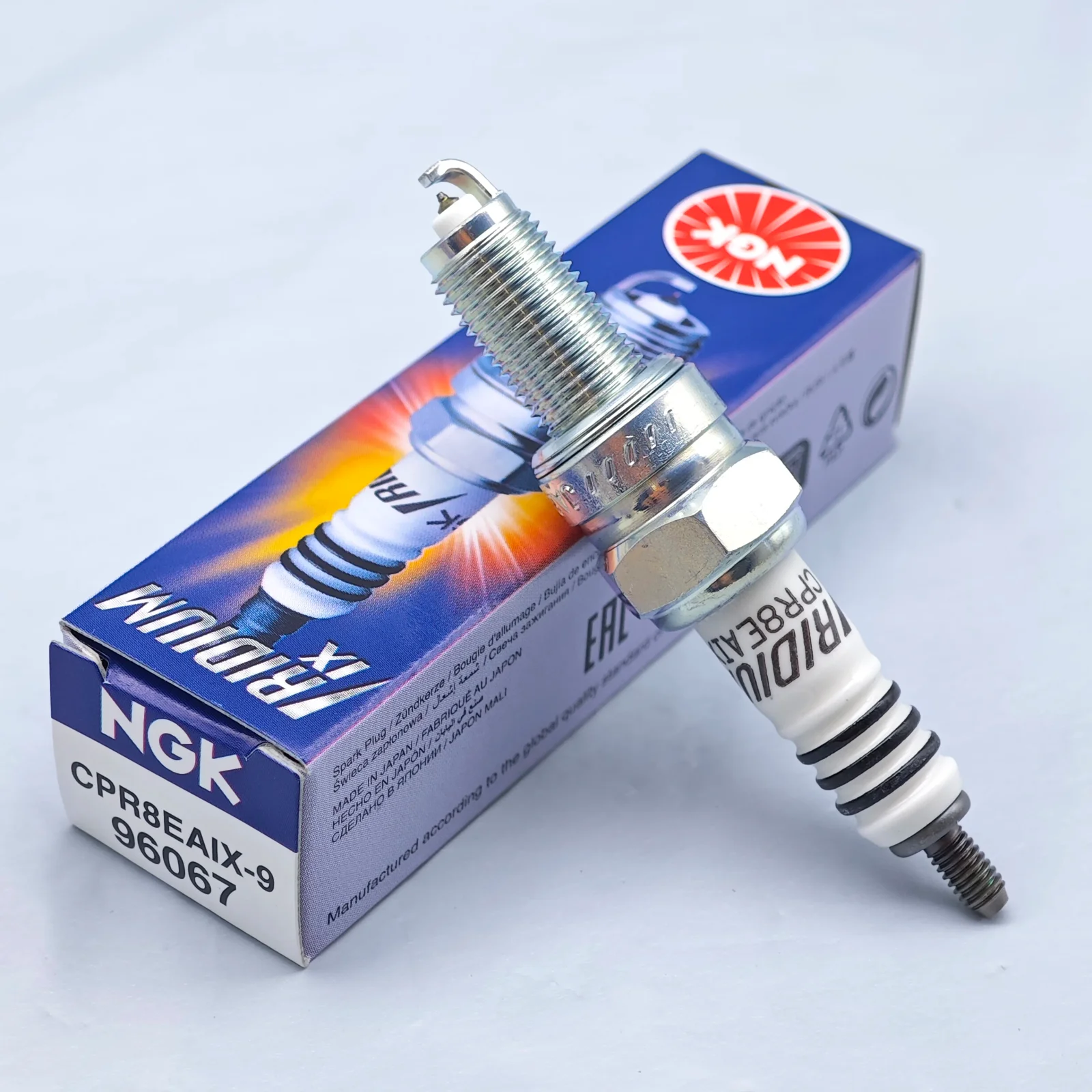
1pcs Original NGK Iridium Spark Plug CPR8EAIX-9 #96067 Upgrade CPR8EA-9 CPR8E
$20.95
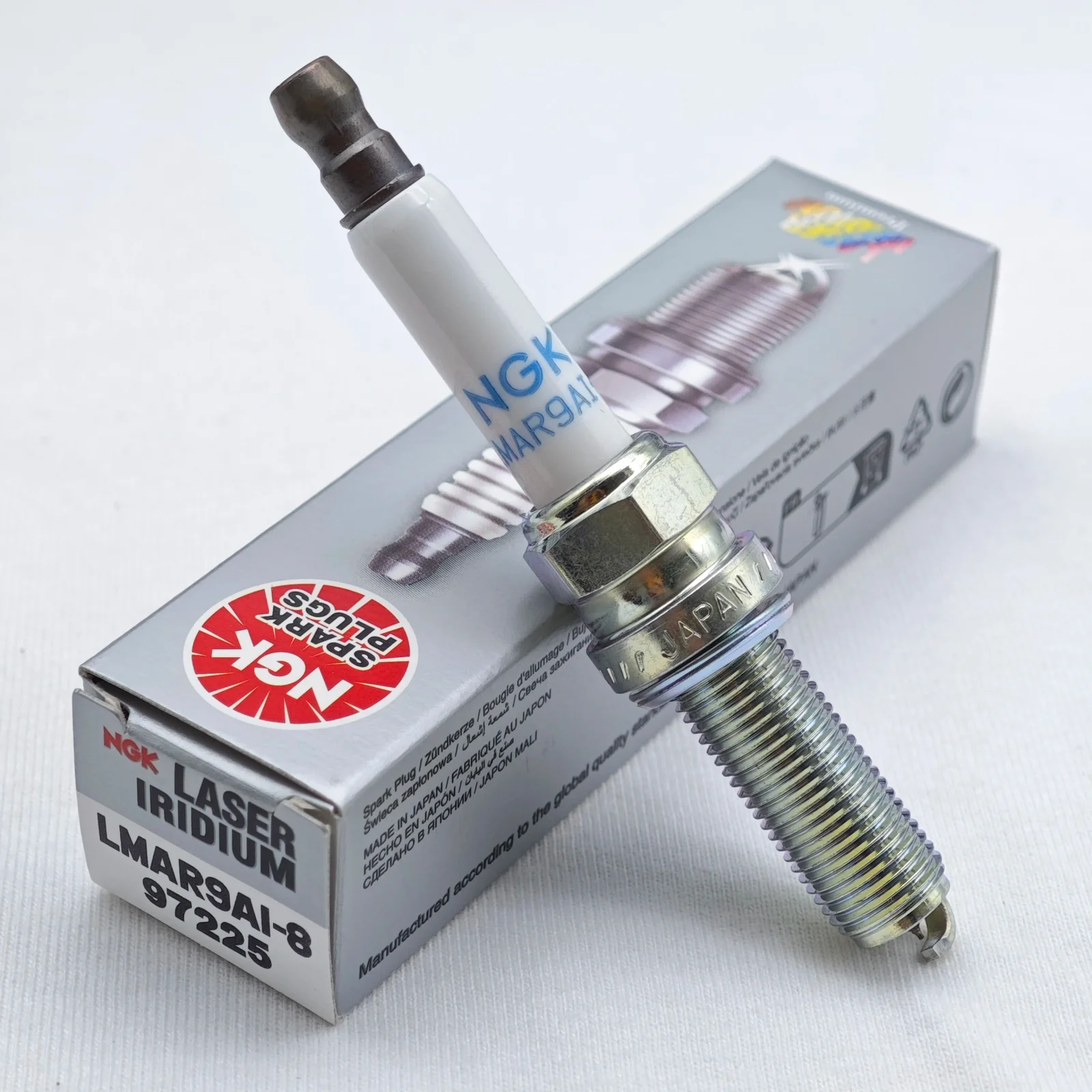
1pcs Original NGK Laser Iridium Spark Plug LMAR9AI-8 97225 fits K1600GT R1200GS S1000RR C600 G310 spark plug
$21.62